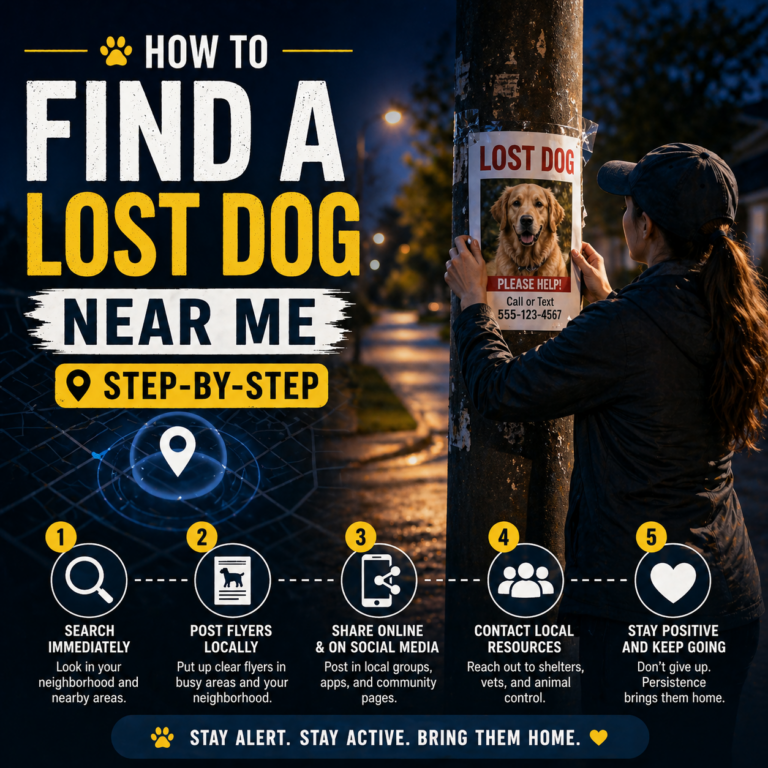
Lost Dog in Kansas City?
JOCO Pet Search & Rescue provides thermal drone search and guided recovery to locate and safely recover lost dogs — without pushing them farther away.
Serving Kansas City, Johnson County, Olathe, Overland Park, Lenexa, Shawnee, Liberty, Blue Springs, Independence, Lee’s Summit, and surrounding areas.
📞 Call Now: 913-707-3156How To Find a Lost Dog Near Me
If your dog is missing nearby, the first decision you make matters more than anything else. Lost dog searches fail when owners panic, search too wide, or unknowingly push the dog farther away.
The goal is not just to search — it is to locate your dog quickly before the situation changes. The longer a dog is missing, the more their behavior shifts, and the harder recovery becomes.
Step 1: Use a Thermal Drone Search Immediately
The fastest and most effective way to locate a lost dog today is a thermal drone search. Dogs move quickly, avoid people, and often hide in places that cannot be seen from the ground.
A thermal drone allows large areas to be scanned in minutes, detecting heat signatures and locating dogs that would otherwise go unseen.
JOCO Pet Search & Rescue uses thermal drone search across the Kansas City metro to locate dogs before they travel farther or change behavior patterns.
How Lost Dogs Actually Behave
Understanding how dogs behave when lost is critical. Dogs do not move randomly — their behavior is driven by fear, environment, and how long they have been missing.
- Scared dogs often run in straight lines away from pressure
- They may avoid people, even their owner
- They frequently hide in brush, fields, or terrain
- They can travel miles in a short period of time
This is why walking neighborhoods or calling their name is often ineffective — the dog is either moving or avoiding detection.
Why Thermal Drone Search Is a Massive Advantage
- Covers large areas in minutes instead of hours
- Detects dogs hidden in brush, fields, and terrain
- Finds dogs that avoid people and stay silent
- Reduces the need to send people through the area
- Prevents pushing the dog farther away
Thermal drone search replaces guessing with real-time detection.
Why Acting Fast Matters
Lost dogs can cover significant distance quickly, especially within the first few hours. As time passes, they may cross roads, enter unfamiliar territory, or change behavior patterns.
Early deployment of a structured search dramatically increases recovery success.
Important:
Waiting and relying only on flyers, social media, or walking the neighborhood can delay recovery. By the time sightings occur, the dog may already be far from the original location.
What You Should Do Right Now
- Do not chase your dog if seen
- Return to the last known location
- Keep the area calm and controlled
- Start collecting sightings
- Contact a thermal drone search service immediately
JOCO Pet Search & Rescue Lost Dog Recovery
JOCO Pet Search & Rescue provides professional thermal drone search across the Kansas City metro, including Johnson County, Liberty, Blue Springs, Independence, and Lee’s Summit.
We combine aerial detection, sighting strategy, and guided recovery to locate dogs quickly and safely.
Call 913-707-3156 Start Lost Dog SearchFinal Advice
If you are searching “how to find a lost dog near me,” understand this: success is not about searching harder — it is about locating faster.
Thermal drone search gives you the ability to find your dog before the situation becomes more difficult. The sooner you act, the better your chances.
What To Do Before a Thermal Drone Search Begins
The fastest recoveries usually happen when the area stays calm, sightings are organized, and the dog is not pushed farther away before professional search begins.
1. Stop Chasing
If your dog is seen, do not run, yell, whistle, or pursue. Scared dogs often avoid people, including their own owner.
How to catch a scared dog →2. Protect the Last Known Area
Keep people, vehicles, and search parties from flooding the area. Too much pressure can move the dog into harder terrain.
First hour missing dog steps →3. Track Every Sighting
Write down the exact time, location, direction of travel, and behavior. A good sighting pattern helps guide the drone search.
Where lost dogs usually go →4. Deploy Before the Trail Gets Cold
The sooner a thermal drone is in the air, the better the chance of locating the dog before it leaves the original search zone.
Finding a lost dog at night →What To Do Before a Thermal Drone Search Begins
The fastest recoveries usually happen when the area stays calm, sightings are organized, and the dog is not pushed farther away before professional search begins.
1. Stop Chasing
If your dog is seen, do not run, yell, whistle, or pursue. Scared dogs often avoid people, including their own owner.
How to catch a scared dog →2. Protect the Last Known Area
Keep people, vehicles, and search parties from flooding the area. Too much pressure can move the dog into harder terrain.
First hour missing dog steps →3. Track Every Sighting
Write down the exact time, location, direction of travel, and behavior. A good sighting pattern helps guide the drone search.
Where lost dogs usually go →4. Deploy Before the Trail Gets Cold
The sooner a thermal drone is in the air, the better the chance of locating the dog before it leaves the original search zone.
Finding a lost dog at night →Why Most Lost Dog Searches Fail
Most missing dogs are not truly “gone.” They are usually hiding, moving cautiously, circling familiar territory, or avoiding pressure. Unfortunately, many recovery attempts accidentally push the dog farther away before an organized search strategy begins.
Chasing the Dog
Even friendly dogs often enter survival mode when frightened. Running after them usually increases flight behavior and expands the search zone.
Learn how scared dogs behave →Waiting Too Long
The first several hours are often the most important. Thermal imaging becomes harder once the dog expands beyond the original search area.
What to do immediately →Poor Sighting Tracking
Social media comments become chaotic fast. Organized sighting timelines help determine travel direction and recovery patterns.
Where lost dogs usually travel →Search Pressure
Large search groups can unintentionally move dogs into woods, drainage areas, industrial zones, or rural property where recovery becomes harder.
Step-by-step recovery strategy →Organized Recovery Creates Better Outcomes
JOCO Pet Search & Rescue uses thermal drone technology, sighting analysis, recovery strategy, and structured search coordination designed specifically for frightened and displaced dogs throughout the Kansas City metro.
Call Emergency Lost Dog RecoveryEmergency Lost Dog Search Near You
JOCO Pet Search & Rescue provides emergency thermal drone lost dog recovery services across the Kansas City metro, including Johnson County, Jackson County, Wyandotte County, and surrounding communities throughout Kansas and Missouri.
Johnson County, KS
Missouri Service Areas
County Recovery Hubs
Fast deployment matters. Many lost dogs remain within a manageable recovery radius during the first stages of displacement — especially when organized search strategy begins early.
Start Emergency Search NowHow JOCO Pet Search & Rescue Finds Missing Dogs
JOCO Pet Search & Rescue combines thermal drone technology, real-time aerial observation, behavior-based search strategy, live owner coordination, and structured recovery tactics designed specifically for frightened and displaced dogs throughout the Kansas City metro.
Thermal Drone Search
FAA-certified thermal drone deployment allows large areas to be scanned quickly during day or night operations. Heat signatures help identify hidden dogs in woods, fields, drainage areas, industrial zones, parks, and neighborhoods.
Learn about thermal drone recovery →Live Search Coordination
Owners remain actively involved during the search process through live communication, real-time updates, coordinated sightings, GPS guidance, and structured recovery planning from the mobile command system.
See how organized searches work →Frightened Dog Behavior Analysis
Search strategy is built around how displaced dogs actually behave. Recovery operations focus on movement patterns, pressure avoidance, survival behavior, travel corridors, and sighting trends.
Understand scared dog behavior →Emergency Deployment
Same-day and priority emergency deployments are available throughout much of the Kansas City metro because early response often creates the highest probability of successful recovery.
Emergency lost dog recovery →This Is Not Just a Drone Flight
Successful recovery usually depends on combining technology with strategy. Thermal imaging alone does not recover frightened dogs. Organized response, behavior interpretation, controlled pressure, and real-time coordination are what help bring dogs safely home.
Every search is different. Some dogs stay within a small radius. Others travel quickly through connected corridors. Recovery strategy changes based on sightings, environment, weather, terrain, and behavior.
The Sooner Search Begins, The Better
Many successful recoveries begin with quick deployment, organized sightings, and preventing the dog from being pushed farther away before strategy is established.
Call 913-707-3156What a Real Lost Dog Recovery Looks Like
Most successful recoveries are not random luck. They are usually the result of organized search strategy, structured sightings, calm recovery tactics, and rapid deployment before the dog expands too far outside the original search area.
Emergency Call & Sighting Review
The recovery process starts by reviewing the dog’s behavior, last known location, direction of travel, terrain, weather conditions, and recent sightings to establish an organized search strategy.
Thermal Drone Deployment
Thermal drone operations scan large areas quickly while searching for active heat signatures in wooded areas, parks, neighborhoods, drainage systems, industrial zones, and hidden travel corridors.
Real-Time Recovery Coordination
Once the dog is located, recovery becomes highly strategic. Owners may be guided quietly toward the dog while avoiding pressure that could trigger additional flight behavior.
Safe Recovery & Follow-Up
Some recoveries happen quickly. Others require continued sightings, return deployments, or behavior-based recovery planning designed to safely bring the dog home without escalating fear.
Real Recoveries. Real Owners. Real Results.
Many pet owners first discover JOCO Pet Search & Rescue after watching real recovery footage from actual deployments across the Kansas City metro. These videos help demonstrate how thermal search, live coordination, and organized recovery strategy work together during active searches.
From wooded nighttime recoveries to frightened dogs hiding in urban environments, the goal is always the same — create calm, reduce pressure, and safely recover the dog.
View Emergency Dog RecoveryKansas City Emergency Lost Dog Recovery
Thermal drone deployment • real-time owner coordination • behavior-based recovery strategy • emergency response throughout the Kansas City metro.
Frequently Asked Questions About Lost Dog Recovery
These are some of the most common questions asked by owners searching for a lost dog near them in Kansas City and surrounding areas.
How far do lost dogs usually travel?
Every dog behaves differently. Some remain within a few blocks while others travel several miles using creeks, trails, drainage systems, neighborhoods, or wooded corridors.
Read more →Do thermal drones really work for lost dogs?
Thermal drones can be extremely effective when deployed correctly. Heat signatures often help locate dogs hidden in darkness, heavy brush, wooded terrain, fields, or large search zones.
Learn how thermal drone recovery works →What should I do if my dog keeps running from me?
Many frightened dogs enter survival mode and avoid direct contact — even with their owner. Chasing often makes recovery harder and increases displacement distance.
Learn recovery tactics →What is the best time to search for a lost dog?
Early morning, nighttime, and low-traffic periods are often the best times for thermal drone search because dogs may move more comfortably during quieter conditions.
Best times to search →The Sooner You Start, The Better The Chance Of Recovery
Every hour matters during the early stages of a lost dog search. Organized recovery strategy, real-time sightings, and rapid thermal drone deployment can significantly improve recovery potential before the search area expands.