Lost Dog in Kansas City?
JOCO Pet Search & Rescue provides thermal drone search and guided recovery to locate and safely recover lost dogs — without pushing them farther away.
Serving Kansas City, Johnson County, Olathe, Overland Park, Lenexa, Shawnee, Liberty, Blue Springs, Independence, Lee’s Summit, and surrounding areas.
📞 Call Now: 913-707-3156How To Catch a Scared Dog That Keeps Running
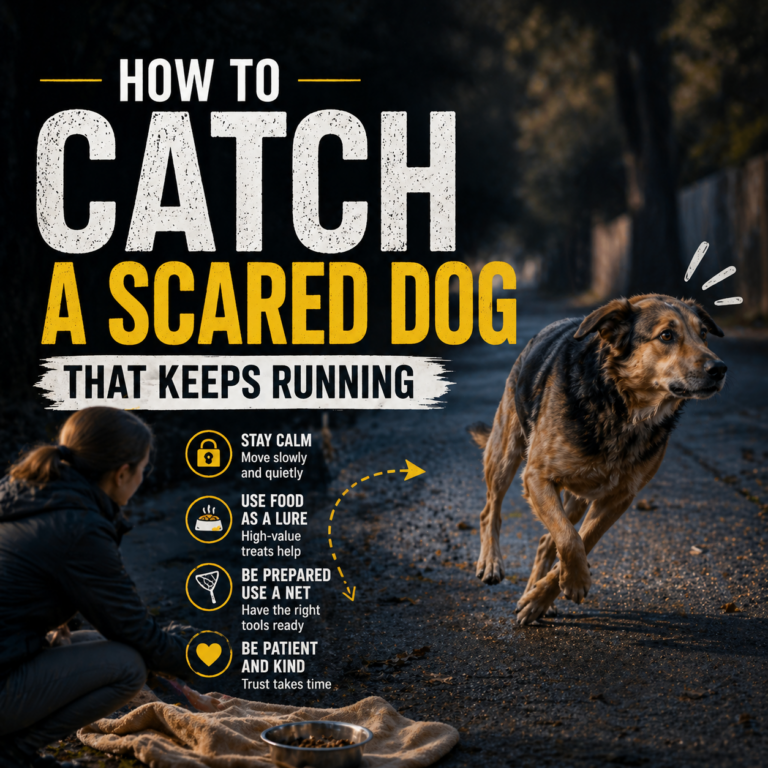
If your dog keeps running from you, chasing harder will not solve the problem. In most cases, it makes the situation worse.
Many owners searching how to catch a scared dog that runs away, lost dog won’t come when called, or dog won’t let me catch him are dealing with the same issue — a dog in survival mode.
The key is not chasing. The key is removing pressure, locating the dog, and guiding recovery using the right strategy.
Step 1: Stop Chasing Immediately
Every time you chase a scared dog, you reinforce one thing: people = pressure.
This causes the dog to:
- Run farther distances
- Avoid familiar people
- Ignore commands and recall
- Move into harder-to-access areas
If your dog is running from you, the solution is not speed — it is strategy.
Why Scared Dogs Run From Their Owners
When dogs become lost and scared, they often enter what is known as survival mode.
In this state:
- The dog prioritizes distance over safety
- The dog avoids direct interaction
- The dog may ignore familiar voices
- The dog reacts to movement, not recognition
This is why owners often say, “my dog saw me but ran away” — it’s not disobedience, it’s fear.
Step 2: Locate the Dog Without Pressure
Before you can recover your dog, you need to locate them without pushing them farther away.
Thermal drone search allows large areas to be scanned without sending people directly into the dog’s space.
- Scans fields, woods, and neighborhoods quickly
- Detects heat signatures in areas people cannot see
- Tracks movement patterns
- Reduces ground pressure
JOCO Pet Search & Rescue uses thermal drone search across the Kansas City metro to locate scared dogs before they travel farther.
Step 3: Control the Situation Instead of Reacting
A scared dog that keeps running needs controlled recovery, not random searching.
- Track direction of movement
- Limit the number of people involved
- Avoid direct approaches
- Use sightings to predict patterns
- Stay near the last known location
This is how you stop the cycle of running and start guiding the dog toward recovery.
Common Mistakes That Make Dogs Keep Running
- Chasing the dog repeatedly
- Calling loudly or emotionally
- Sending multiple people into the area
- Trying to corner the dog
- Assuming the dog will “snap out of it”
These actions increase pressure and make recovery harder.
Scared Dog Running From You?
JOCO Pet Search & Rescue helps locate and recover scared lost dogs across the Kansas City metro using thermal drone search and guided recovery strategy.
Call 913-707-3156Final Advice
If your dog is running from you, repeating the same approach will not work. You need to change strategy immediately.
A scared dog needs distance, tracking, and controlled recovery. The sooner you switch to that approach, the better your chances.
Call JOCO Pet Search & Rescue and start a structured recovery plan before your dog moves farther away.
Why Scared Dogs Keep Running From Their Owners
One of the hardest parts of a lost dog recovery is understanding that frightened dogs often stop behaving normally. Even friendly family dogs may avoid eye contact, ignore commands, refuse food, or continue running from the people they trust most.
Survival Mode
When dogs become overwhelmed, their brain shifts from familiar behavior into survival behavior. Fear, confusion, traffic, weather, loud sounds, and exhaustion can all trigger instinctive flight responses.
Chasing Makes It Worse
Running toward a frightened dog often increases panic and pushes the dog farther from the recovery zone. Many dogs continue moving because they believe they are escaping danger.
Dogs Move Differently At Night
Many lost dogs become more active during nighttime or low-traffic periods because the environment feels safer and quieter. This is why nighttime thermal drone search can be extremely effective.
They Often Stay Closer Than Expected
Many dogs remain hidden within a manageable radius during the first stages of displacement. Organized search strategy can help identify likely hiding zones before the search area expands.
How To Safely Approach a Scared Lost Dog
Calm recovery tactics are often more effective than aggressive pursuit. Small behavioral changes can dramatically increase the chances of safely recovering a frightened dog.
Stay Calm
Avoid yelling, fast movements, panic, or direct pressure. Nervous energy can increase fear and cause the dog to flee again.
Avoid Eye Contact
Direct eye contact can feel threatening to frightened dogs. Turning sideways and appearing less confrontational often helps.
Sit Low & Toss Food
Sitting down, crouching, or tossing food away from your body can reduce pressure and encourage the dog to slow down and investigate.
Let The Dog Make The Choice
Many recoveries happen when the dog decides it feels safe enough to approach. Patience is often more powerful than pursuit.
How JOCO Pet Search & Rescue Handles Frightened Dog Recoveries
Recovering a frightened dog is rarely about simply “finding” the dog. It usually requires organized strategy, pressure control, thermal search, sighting analysis, and carefully managed recovery tactics.
Thermal Drone Search
Thermal drone deployment helps scan large search zones quickly while identifying heat signatures hidden in woods, drainage systems, parks, industrial areas, fields, and neighborhoods.
Learn more about thermal search →Live Sighting Analysis
Organized sightings help identify travel patterns, pressure zones, likely hiding areas, and movement corridors that influence how recovery strategy is built.
Understand lost dog movement →Emergency Response
Early deployment can dramatically improve recovery potential before frightened dogs expand too far beyond the original recovery zone.
Emergency recovery services →The Biggest Mistakes People Make With Scared Dogs
Most frightened dogs are not intentionally avoiding their owners. Many recovery attempts fail because fear-based survival behavior is misunderstood during the critical early stages of recovery.
Large Search Parties
Flooding neighborhoods, parks, and wooded areas with people often increases fear and pushes frightened dogs deeper into hiding or farther outside the recovery zone.
Constant Calling
Repeated yelling, whistles, clapping, or frantic calling can unintentionally create more pressure and confusion for already overwhelmed dogs.
Direct Pursuit
Chasing a frightened dog almost always increases movement distance and can shift the dog into full survival flight behavior.
Waiting Too Long
The longer frightened dogs remain mobile without organized recovery strategy, the larger and more unpredictable the recovery zone becomes.
What Scared Dogs Usually Do After Escaping
Understanding how displaced dogs behave helps guide search strategy, thermal deployment, sighting analysis, and safe recovery tactics.
Panic Running
Many dogs initially run fast and far while adrenaline is high. Traffic, loud sounds, people, and pursuit often increase movement distance.
Hiding Behavior
Once exhaustion begins, frightened dogs often seek quiet hiding locations such as wooded areas, drainage systems, parks, sheds, brush piles, or industrial property.
Nighttime Movement
Many lost dogs begin moving more during nighttime hours when traffic decreases and the environment feels safer and quieter.
Pattern Development
Over time, frightened dogs often establish movement patterns and repeat travel corridors — which is where organized sightings become extremely valuable.
Questions About Catching a Scared Dog That Keeps Running
When a lost dog is scared, normal calling and chasing often do not work. These answers explain what to do instead.
Why does my dog run from me when I call?
Many scared dogs enter survival mode. They may not respond normally to their name, treats, whistles, or familiar voices because fear has taken over.
Should I chase my lost dog?
No. Chasing usually makes the dog run farther. Slow movement, low posture, calm behavior, and controlled food placement are usually safer.
What is the best way to approach a scared dog?
Avoid direct pressure. Turn sideways, avoid eye contact, sit or crouch low, toss food away from you, and let the dog decide to approach.
Can a thermal drone help find a scared dog?
Yes. Thermal drones can help locate dogs hiding in wooded areas, fields, drainage systems, parks, and other areas where visual searching may fail.
Do Not Chase. Start a Calm Recovery Plan.
If your dog is scared, running, hiding, or avoiding people, the next move matters. JOCO Pet Search & Rescue can help organize the search, scan likely hiding areas, and guide recovery strategy.
Real Questions People Ask During a Lost Dog Emergency
These are some of the most common questions owners ask when their dog is scared, running, hiding, or refusing to come back during a recovery situation.
Why is my dog acting like it doesn’t know me?
Frightened dogs often enter survival mode during stressful situations. Fear can override familiar behavior, causing dogs to avoid eye contact, ignore commands, and continue running even from their owners.
What should I do if I finally see my dog?
Stay calm. Avoid chasing, yelling, or rushing toward the dog. Turn sideways, crouch low, avoid direct eye contact, and allow the dog to feel safe enough to approach on its own.
Why does my dog keep running farther away?
Most frightened dogs continue moving because they believe they are escaping danger. Pursuit, loud voices, traffic, crowds, and pressure often increase movement distance and expand the search zone.
Where do scared dogs usually hide?
Frightened dogs commonly hide in wooded areas, drainage systems, parks, brush piles, industrial property, sheds, under decks, and low-traffic locations where they feel protected.
Are scared dogs more active at night?
Yes. Many lost dogs become more active during nighttime or low-traffic periods because the environment feels quieter, safer, and less overwhelming.
Can thermal drones help recover scared dogs?
Thermal drones can help identify hidden heat signatures in woods, fields, drainage areas, parks, and large search zones where visual searching alone may not work effectively.